

Mustard seeds, those tiny yet powerful seeds, have been a staple in traditional medicine across various cultures for centuries. As a proud supplier of high - quality mustard seeds, I've witnessed firsthand the growing interest in their traditional medicinal uses. In this blog, we'll explore the diverse ways in which different cultures have harnessed the healing properties of mustard seeds.
Ancient Ayurvedic Medicine
In Ayurveda, the traditional Indian system of medicine, mustard seeds are highly regarded for their therapeutic benefits. They are considered to have a pungent and hot taste, which is believed to balance the Kapha dosha. Kapha is associated with stability, lubrication, and structure in the body, but an excess of it can lead to congestion, lethargy, and weight gain.
Mustard seeds are used in Ayurvedic remedies to stimulate digestion. The seeds contain enzymes that can help break down food more efficiently. A common Ayurvedic preparation involves grinding mustard seeds and mixing them with honey. This concoction is taken before meals to improve appetite and aid in the digestion process. It is also believed to clear the respiratory passages, making it useful for treating conditions like asthma and bronchitis. The heat of the mustard seeds helps to expel mucus from the lungs, providing relief from congestion.
Ayurvedic practitioners also use mustard seed oil for external applications. The oil is rich in omega - 3 fatty acids and antioxidants, which have anti - inflammatory properties. It can be massaged onto the skin to relieve joint pain and muscle stiffness. Mustard seed oil is also used in hair care. It is believed to nourish the scalp, strengthen hair follicles, and prevent hair loss. For those interested in organic options, our Organic Mustard Seeds are a great choice, as they are grown without the use of synthetic pesticides and fertilizers, ensuring a pure and natural product.
Traditional Chinese Medicine
In Traditional Chinese Medicine (TCM), mustard seeds play an important role in treating various ailments. TCM classifies mustard seeds as acrid and warm in nature. They are mainly used to disperse cold, resolve phlegm, and promote the circulation of qi (energy) in the body.
Mustard seeds are often used in TCM formulas to treat colds and flu. The pungency of the seeds helps to open up the pores and expel pathogenic factors from the body. A simple TCM remedy involves boiling mustard seeds in water and inhaling the steam. This can relieve nasal congestion and soothe a sore throat.
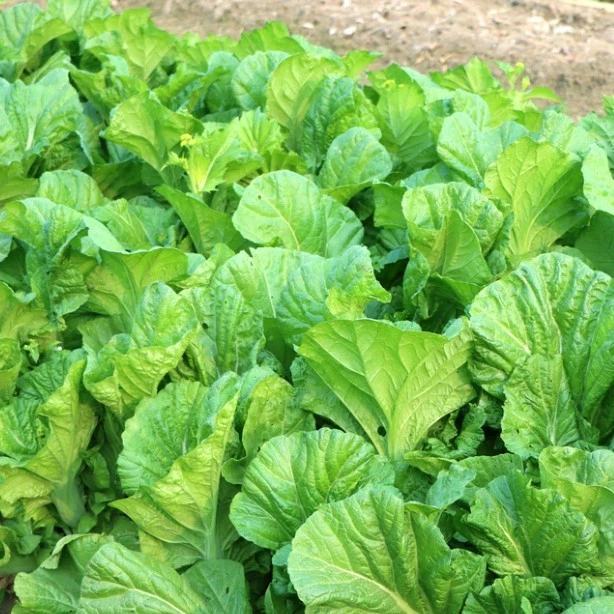

In addition, mustard seeds are used to treat joint pain and rheumatism. TCM believes that cold and dampness can block the flow of qi and blood in the joints, leading to pain and stiffness. Mustard seeds, with their warming property, can help to disperse the cold and dampness, promoting better circulation and reducing pain. Our Green Mustard Seeds are especially popular in TCM applications, as they are known for their fresh and vibrant flavor, as well as their potent medicinal properties.
European Folk Medicine
In European folk medicine, mustard seeds have a long history of use. They were commonly used to treat respiratory problems. Mustard plasters, which are made by mixing ground mustard seeds with flour and water to form a paste and then applying it to the chest or back, were a popular home remedy for coughs and chest congestion. The heat generated by the mustard seeds helps to increase blood circulation to the area, which can help to loosen mucus and relieve congestion.
Mustard seeds were also used to treat skin conditions. A paste made from mustard seeds and vinegar was applied to the skin to treat boils and abscesses. The antibacterial and anti - inflammatory properties of the mustard seeds helped to reduce inflammation and promote healing.
Modern Research on Mustard Seeds' Medicinal Properties
Modern scientific research has begun to validate many of the traditional uses of mustard seeds. Studies have shown that mustard seeds contain compounds such as glucosinolates, which have anti - cancer properties. When glucosinolates are broken down, they form isothiocyanates, which can inhibit the growth of cancer cells and induce apoptosis (programmed cell death) in cancer cells.
Mustard seeds are also a good source of selenium, a mineral that has antioxidant properties. Selenium helps to protect the body from oxidative stress, which is associated with many chronic diseases, including heart disease and cancer. The omega - 3 fatty acids in mustard seeds have been shown to reduce inflammation in the body, which can help to prevent and treat conditions such as arthritis and inflammatory bowel disease.
Our Mustard Seed Products
As a supplier, we take pride in offering a wide range of high - quality mustard seeds. Our seeds are sourced from the best farms around the world, ensuring that they are of the highest quality and purity. Whether you are looking for organic options or specific varieties like green mustard seeds, we have you covered.
We understand the importance of providing our customers with products that meet their needs. That's why we offer different packaging options to suit both small - scale consumers and large - scale businesses. Our mustard seeds are carefully stored and handled to maintain their freshness and nutritional value.
Contact Us for Purchasing
If you are interested in purchasing our mustard seeds for their traditional medicinal uses or for other purposes, we encourage you to reach out to us. We are always happy to discuss your requirements and provide you with the best possible service. Whether you are a herbalist, a food manufacturer, or an individual interested in natural remedies, we can work with you to meet your needs. Contact us today to start a conversation about how our mustard seeds can benefit you.
References
- Duke, J. A. (2002). Handbook of Medicinal Herbs. CRC Press.
- Bown, D. (2001). The Royal Horticultural Society New Encyclopedia of Herbs & Their Uses. DK Publishing.
- Liu, R. H. (2004). Potential synergy of phytochemicals in cancer prevention: Mechanism of action. Journal of Nutrition, 134(12), 3479S - 3485S.